
Slippage on a breakout is not bad luck scattered evenly across your trades. It concentrates at one moment, for a structural reason, and that moment is the one your rule instructs you to transact in. Treating it as noise that averages out over time understates it badly, because it does not average out. It arrives with a sign.
Why the Book Thins Precisely There

A resting order book at a well watched level is not a neutral arrangement. Beneath the high sit buy stops from breakout traders and protective stops from anyone short from inside the range. Above it sits whatever resting size is willing to be hit. When the level trades, the buy side of that arrangement fires all at once while the sell side is being consumed by the same event.
For a short interval, demand for immediate execution greatly exceeds the supply of resting liquidity. Price travels until enough new sellers appear, and every one of those breakout orders is filled somewhere along that path. The mechanism is not a market defect. It is what any queue does when everyone arrives simultaneously.
Slippage Is Not Symmetric
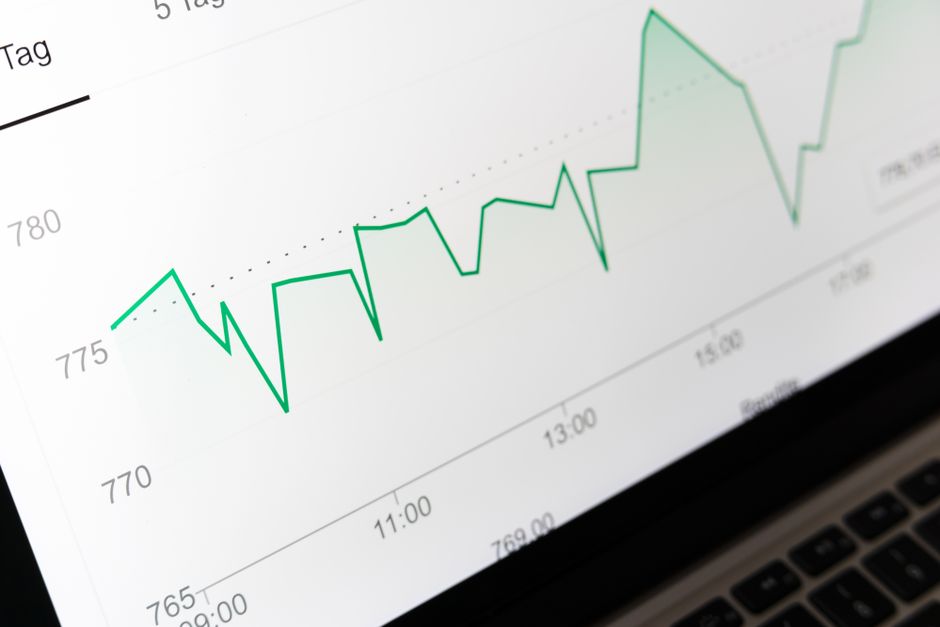
The uncomfortable part is which direction it runs. Entering a breakout with a stop order makes you a buyer into a moment of scarce supply, so the fill comes above the level rather than below it. On the exit, a protective stop is triggered by price moving against you, which is also a moment of thinning liquidity on the side you need, so that fill also comes worse than the level.
Both ends of the trade slip in the direction that hurts. A few ticks added to the entry and a few more to the stop make the realised risk larger than the planned risk and the realised reward smaller, on every trade, always the same way. That is a persistent tax rather than a variance term, and it belongs in the expectancy calculation rather than in the list of things that even out eventually.
How Big Is Big Enough to Matter
There is no universal figure, and any number quoted without an instrument attached to it is meaningless. What matters is the slippage relative to the size of the move you are trying to capture. A handful of ticks against a target measured in many points is a rounding error. The same handful against a scalp of comparable magnitude is most of the trade.
This is why strategies with small targets are far more fragile than they appear on a chart. Tests drawn from bar data assume execution at the level, which is exactly the price you will not receive at that moment, and the shortfall is proportionally largest for the strategies least able to absorb it.
Reducing the Exposure
A stop limit order caps the price you will accept, at the cost of not being filled when the market runs past your limit. That is a real trade off and not obviously a favourable one, because the sessions where it fails to fill are frequently the sessions with the largest moves. It converts a known cost into an occasional total absence, which some strategies tolerate and others cannot.
Entering on a pullback after the break rather than on the break itself sidesteps the crowded instant altogether. You transact once liquidity has returned, at the price of missing the breaks that never pull back. Trading a more liquid contract, or a more liquid part of the day, addresses the same problem from the other end by increasing the resting size available at the level in the first place.
Measuring It Instead of Assuming It
The one thing worth doing regardless is recording the difference between the level and the fill on every single trade. It takes a moment per trade and after a few weeks it is a distribution rather than an impression.
Most traders find the figure is larger than they assumed and that it clusters by condition, worse on high volatility opens, worse on the smaller contracts, worse at particular times of day. Those clusters are actionable in a way that a general anxiety about slippage never is. The measurement also answers the question that matters most, which is whether the strategy's target sits comfortably above its execution cost or uncomfortably close to it, and that is a question no amount of chart study can settle.